

Trauma doesn't always look like the dramatic flashbacks depicted in movies. Often, it manifests in subtle, pervasive ways that infiltrate our daily lives, relationships, and physical health. Recognizing the signs of unresolved trauma is the foundational step toward reclaiming your life. At North Star Counseling and Trauma Specialists PLLC, we help clients identify these hidden symptoms and begin the courageous work of healing. Many people live with unresolved trauma for years, attributing their struggles to personality flaws or chronic stress, unaware that their symptoms are rooted in past experiences. Emotional and Psychological Signs Unresolved trauma frequently disguises itself as other mental health struggles. You might experience chronic, low-grade anxiety or sudden, inexplicable bouts of depression. These feelings can seem to come out of nowhere, leaving you feeling confused and overwhelmed. Emotional numbness is also incredibly common; you may feel disconnected from your loved ones or unable to experience joy. This numbness is a protective mechanism—when the pain of trauma is too great, the brain simply shuts down emotional processing altogether. Additionally, intense emotional reactions to seemingly minor stressors—often referred to as being "triggered"—are a clear indicator that past wounds are still open. A passing comment, a specific tone of voice, or a minor inconvenience can provoke a reaction that feels entirely disproportionate to the situation. This happens because the brain is reacting not just to the present stressor, but to the accumulated weight of past trauma. You might also struggle with pervasive feelings of shame, guilt, or worthlessness, believing that you are fundamentally flawed or responsible for the traumatic events. Physical and Somatic Symptoms The body holds onto trauma just as much as the mind does. Unexplained physical symptoms are often the body's way of expressing what the mind cannot. This can include chronic fatigue, tension headaches, digestive issues, and a weakened immune system. When the nervous system is constantly in a state of fight-or-flight, it diverts energy away from essential bodily functions like digestion and immune response, leading to long-term health issues. Sleep disturbances are also hallmark signs that your nervous system is struggling to process past events. You might experience insomnia, finding it impossible to quiet your mind at night. Alternatively, you might sleep excessively but wake up feeling unrefreshed. Frequent nightmares or night terrors are clear indicators that the brain is attempting to process traumatic material while you sleep. Furthermore, you might notice a tendency to hold tension in specific parts of your body, such as clenching your jaw, grinding your teeth, or maintaining a rigid posture. Behavioral Patterns Trauma can deeply influence our behavior and how we interact with the world. You might find yourself engaging in avoidance behaviors, going out of your way to steer clear of people, places, or situations that remind you of the trauma. This avoidance can gradually shrink your world, limiting your opportunities and isolating you from support systems. Alternatively, some individuals develop perfectionism or a need for extreme control as a coping mechanism. By controlling their environment, they attempt to create a false sense of safety in an unpredictable world. This can manifest as workaholism, obsessive-compulsive tendencies, or rigid routines. When these routines are disrupted, it can trigger intense anxiety or panic. Substance abuse and other compulsive behaviors are also common ways people attempt to self-medicate the pain of unresolved trauma. Alcohol, drugs, gambling, or disordered eating can provide temporary relief from overwhelming emotions or intrusive memories. However, these coping mechanisms ultimately exacerbate the problem, creating a cycle of dependency and further trauma. Impact on Relationships Unresolved trauma profoundly impacts our ability to connect with others. You might struggle with trust, constantly anticipating betrayal or abandonment. This can lead to pushing people away before they have a chance to hurt you, or clinging to unhealthy relationships out of fear of being alone. Communication can become fraught, as trauma survivors often struggle to articulate their needs or interpret the intentions of others accurately. You might also find yourself repeating toxic relationship patterns, unconsciously seeking out dynamics that mirror the original trauma. This is known as trauma reenactment—the brain's misguided attempt to gain mastery over a past situation by recreating it in the present. Recognizing these patterns is crucial for breaking the cycle and building healthy, secure attachments. Taking the First Step If these signs resonate with you, it is important to know that you are not broken—you are carrying a heavy burden. Acknowledging that trauma is impacting your life is a profound act of bravery. It requires confronting painful truths and challenging deeply ingrained coping mechanisms. However, it is also the first step toward freedom. The next step is reaching out for professional support. Trauma-informed therapy provides a safe, structured environment to unpack these experiences and develop healthy coping strategies. At North Star Counseling, we utilize evidence-based approaches to help you process unresolved trauma and reclaim your life. Healing is a journey, and you do not have to walk it alone. By recognizing the signs and seeking help, you are taking the most important step toward a future defined by resilience rather than pain.
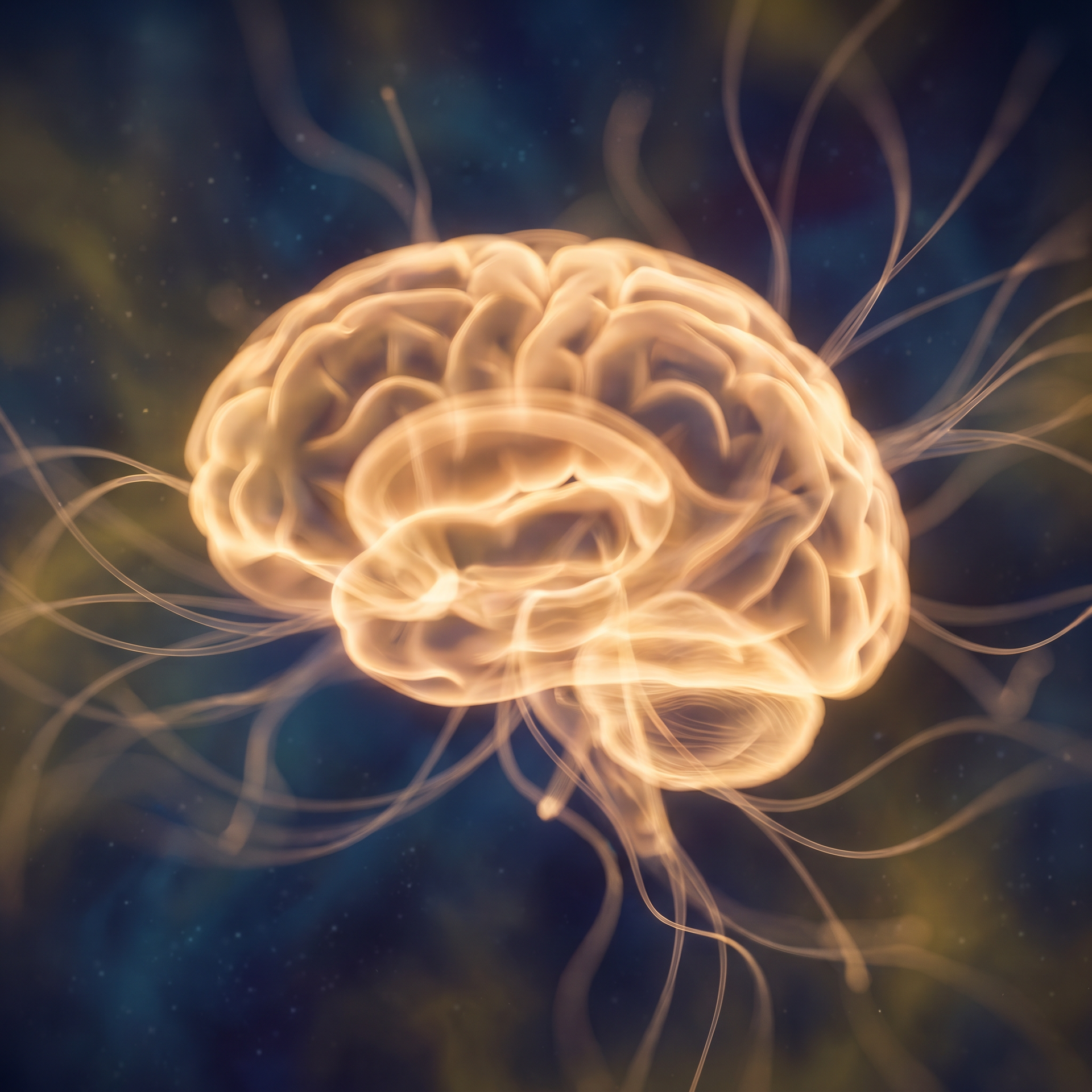
Discover the science behind trauma and the brain. Learn how PTSD impacts the amygdala, hippocampus, and prefrontal cortex, and how therapy can help you heal.